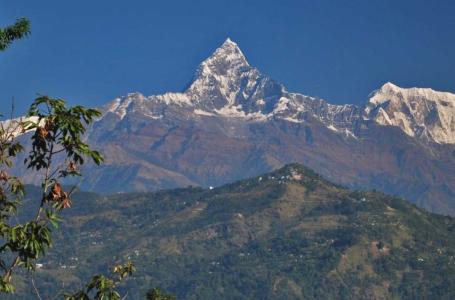

Dudh Kunda Lake and Pikey Peak Trek
Itinerary
Arrive at Tribhuvan International Airport in Kathmandu. After clearing immigration and luggage, you will be greeted by our team and transferred to your hotel. In the evening we’ll have a trek briefing covering the route, permits and gear check, followed by a welcome dinner.
This first day allows you to rest, adjust to Nepal’s time zone, handle last‑minute shopping or logistic pickups, and mentally prepare for the trek ahead. Or you can also go for Trekkers' Holiday Massage or any other therapy to prepare before the trek.
Early departure from Kathmandu by jeep or bus takes 6‑8 hours, through scenic hills and terraced farmlands. You reach Dhap Bazaar (approx. 2,850 m) where you spend the night in a lodge/tea‑house.
Along the way you’ll begin entering the lower Solu region and get your first views of the Himalayas on the horizon.
After breakfast you begin trekking through rhododendron and pine forests, small villages and gradually gaining altitude. You’ll stay overnight in Jhapre (approx. 2,820‑2,920 m).
It’s a moderate day, giving your body a chance to acclimatize and your mind to take in the local mountain village atmosphere.
Today you climb steadily: leaving Jhapre you ascend through yak pastures and forest ridges, arriving at Pikey Base Camp (approx. 3,640 m). The views begin opening up of the Himalayan ranges from here.
This overnight at base camp positions you for the summit assault the next morning.
Rise early to hike from base camp up to the summit of Pikey Peak at ~4,065 m. From the top you’ll experience extensive panoramic views of major Himalayan peaks including Mount Everest, Kanchenjunga, Makalu and others.
After spending time at the summit and taking in the beauty, descend to a lower village such as Jase Bhanjyang or similar (depending on route) and spend the night there.
Continue trekking through traditional Sherpa villages, passing through beautiful rhododendron and pine forests. You arrive at Junbesi (approx. 2,700 m), a Sherpa settlement rich in culture. You’ll have time to relax and explore local monasteries and architecture.
This day helps in descent and gives a cultural dimension to the trek.
You leave Junbesi and trek about 4 to 6 hours to reach the large monastery of Thupten Chholing (approx. 3,000 m) or a similar high‑village setting. This route may involve slight ascent again as you move into the upper Solu region preparing to approach Dudh Kunda.
Interaction with monastic life and local Sherpa culture is a highlight.
Today is a longer day: you trek from Thupten Chholing up to Yak Kharka (approx. 3,700 m) in about 6–7 hours. The landscape becomes more alpine with meadows and ridges, views getting more expansive.
This day prepares your body for the higher altitude ahead.
Ascend steadily from Yak Kharka to Saharsbeni (~3,835 m). Today you’ll traverse open ridges, alpine zones, possibly herder huts, with increasing mountain views. This location is often used as a base for the sacred lake visit.
Trek to the sacred Dudh Kunda Lake (approx. 4,560‑4,600 m) at the foot of Numbur Himal. This is a glacial‑lake zone, revered by Hindus & Buddhists. You may camp near the lake or stay in tented facilities depending on the route.
Spend time walking around the lake shores, taking in the silence, sacred atmosphere, glacier views and serenity.
Use this day to rest and acclimatise, explore around the lake, possibly visit sources or sacred sites around the lake, and soak in the tranquility. Overnight again near the lake zone.
Begin the descent from the lake region down towards Chauri Kharka (approx. 3,925 m) or an equivalent mid‑altitude settlement. This day is good for downhill trekking, forest zones again, and lowering altitude gently.
Continue descent through forested hills and villages to reach Chiwong Gompa, a traditional monastery settlement (~2,469 m). You’ll enjoy local culture, monastic ambience, and the lower altitude comforts.
Final trekking day: move from Chiwong Gompa to Phaplu (~2,469 m). Arrival in Phaplu gives you access to road/air connections back to Kathmandu. Evening at leisure.
After breakfast, depart Phaplu via flight (weather permitting) or by road/jeep back to Kathmandu. Upon arrival, you’ll have free time to rest, do some shopping, or revisit the Thamel area. Overnight in Kathmandu.
This is a buffer or rest day: time for sightseeing in Kathmandu, visiting heritage sites like Kathmandu Durbar Square, Patan or Bhaktapur, souvenir shopping, or simply relaxing before departure. Many trekkers prefer taking some Massage and Therapy after the trekking adventure for rejuvenating experience.
After breakfast, transfer to Tribhuvan International Airport for your flight onwards. Reflect on your journey through remote Himalayan nature, sacred lake, summit sunrise and cultural villages.
Overview
Dudh Kunda Lake and Pikey Peak Trek: An Overview
The Dudh Kunda Lake and Pikey Peak Trek is one of eastern Nepal’s most breathtaking and culturally rich treks. Combining serene natural landscapes, spiritual experiences, and panoramic Himalayan views, this trek offers a unique adventure for trekkers seeking both tranquility and exploration.
Located in the Solukhumbu region, Dudh Kunda Lake is a sacred glacial lake revered by both Hindus and Buddhists. Its turquoise waters, surrounded by snow-capped peaks and pristine alpine scenery, create a peaceful retreat for those looking to connect with nature and spirituality. Pilgrims often visit the lake to perform rituals and offer prayers, making this trek a spiritual as well as an adventurous journey.
Discover the Hidden Gem: Pikey Peak
The trek continues to Pikey Peak, standing at 4,065 meters, which is one of Nepal’s hidden treasures. From its summit, trekkers are rewarded with panoramic views of the Himalayan giants, including Mount Everest, Kanchenjunga, and Makalu. Sunrise at Pikey Peak is a photographer’s dream, as the first light casts golden and pink hues over the majestic mountains.
Unlike popular trekking routes, Pikey Peak offers a quiet and less crowded experience, allowing trekkers to immerse themselves fully in nature. Along the trail, hikers pass through lush rhododendron forests, vibrant alpine meadows, and terraced fields that come alive during spring, offering an unforgettable visual treat.
Cultural Encounters Along the Trail
One of the highlights of this trek is its cultural immersion. As you traverse remote villages, you will meet Sherpa, Rai, and other ethnic communities, known for their warm hospitality. Staying in local tea houses, tasting traditional Nepali cuisine, and observing centuries-old customs provide a glimpse into the unique Himalayan way of life. These cultural encounters make the trek as enriching for the soul as it is rewarding for the eyes, allowing travelers to connect deeply with the people and traditions of the region.
Flora, Fauna, and Natural Beauty
The trail to Dudh Kunda Lake and Pikey Peak is not just scenic but also rich in biodiversity. Trekkers can explore dense rhododendron forests, alpine meadows, and a variety of Himalayan flora. Bird watchers and wildlife enthusiasts may encounter rare Himalayan species, including red pandas and various endemic birds. The combination of vibrant ecosystems, serene lakes, and panoramic mountain vistas creates a trek that perfectly balances adventure and tranquility.
Trekking Experience and Best Season
This trek is moderate in difficulty, making it suitable for trekkers with basic experience. The trails are manageable yet challenging enough to offer a sense of accomplishment. The best time to undertake this trek is during spring (March–May) or autumn (September–November), when the weather is clear, and mountain views are at their best. Every step of the journey offers stunning scenery, from sacred lakes to summits with sweeping Himalayan vistas, ensuring memories that last a lifetime.
Why Choose the Dudh Kunda Lake and Pikey Peak Trek?
For adventure seekers and nature lovers, this trek is a perfect combination of spirituality, natural beauty, and cultural richness. It offers a peaceful alternative to crowded trails while delivering some of the most spectacular Himalayan landscapes. The trek provides opportunities for cultural interaction, wildlife observation, and breathtaking photography, making it a truly holistic Himalayan experience.
Highlights
- Stunning panoramic sunrise views of Everest, Kanchenjunga, Makalu, and Dhaulagiri from Pikey Peak
- Sacred Dudh Kunda Lake nestled below Mt. Numbur (6,959 m), a revered pilgrimage site for both Hindus and Buddhists
- Peaceful, less-crowded trails showcasing authentic Sherpa culture and traditional mountain villages
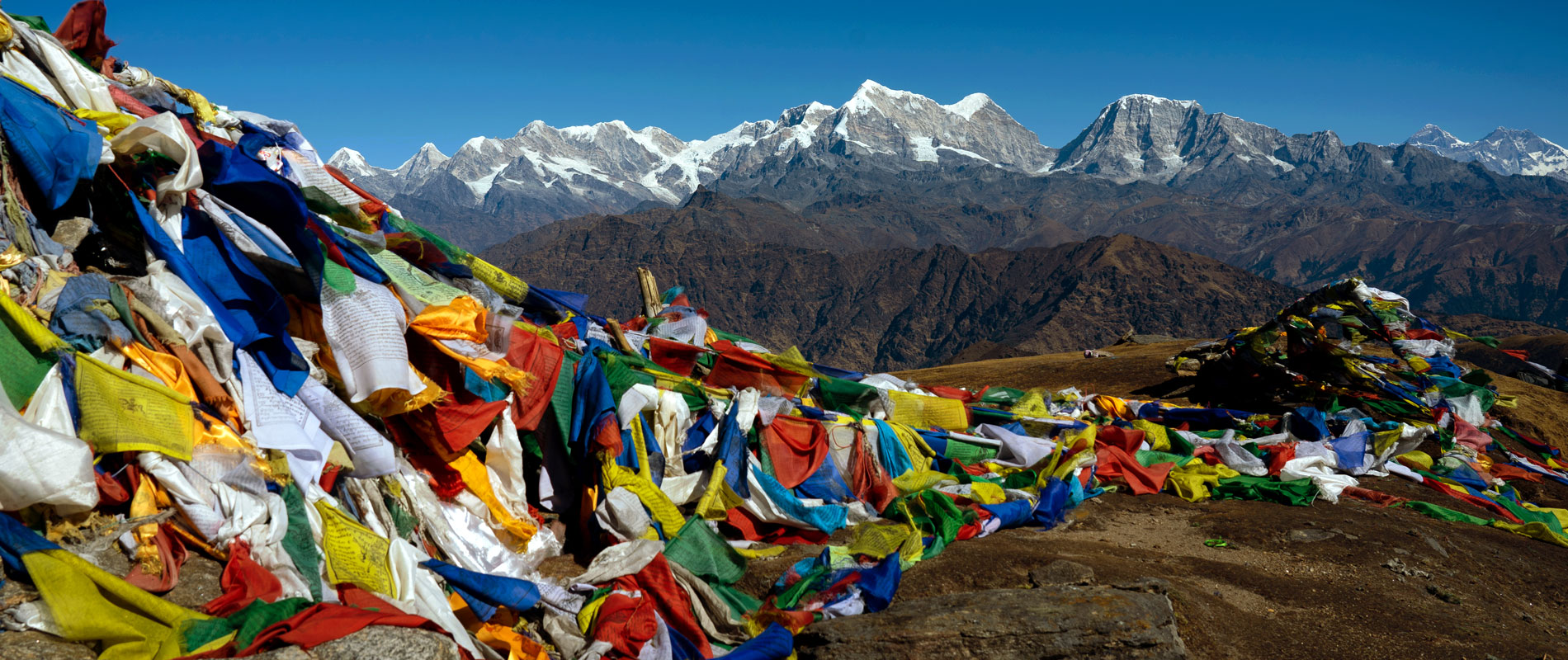
- Visits to ancient monasteries, chortens, and prayer flag–adorned ridgelines
- Colourful rhododendron forests, alpine meadows, and breathtaking Himalayan scenery
- Opportunity to experience both spiritual and natural beauty in one route
- Ideal moderate trek for those seeking off-the-beaten-path adventure and cultural immersion
Cost Details
- Airport pickup and drop-off in Kathmandu
- Private vehicle transport as per itinerary (Kathmandu ↔ Dhap/Phaplu; return by drive or flight)
- Accommodation in local tea-houses / homestays during the trek (twin-sharing basis)
- All meals during the trek — breakfast, lunch, and dinner — as per plan
- Licensed, English-speaking trekking guide and local porters (combined load: 20 kg per porter)
- Trekking permits and national park / local area entry fees (TIMS card, Solukhumbu permit)
- Guided ascent of Pikey Peak (4,065 m) and cultural tour of Junbesi Village & Thupten
- Chholing Monastery
- Basic first aid kit and emergency oxygen cylinder
- Government taxes and local service charges
- International flights to/from Nepal, visa fees, and airport taxes
- Travel or trekking insurance (including emergency evacuation)
- Personal trekking gear and equipment (boots, sleeping bag, down jacket, poles, etc.)
- Hot/cold drinks, snacks, and bottled water
- Tips/gratuities for guides, porters, and staff
- Extra accommodation or meals in Kathmandu beyond the standard itinerary
- Costs due to weather delays, roadblocks, or other unforeseen circumstances
- Any extra services not mentioned in the “Cost Includes” section
Equipment List
Clothing
- Warm trekking pants and lightweight hiking trousers
- Quick-dry T-shirts or base layers
- Fleece or woolen jacket (mid-layer)
- Down jacket or insulated outer jacket (for cold mornings and nights)
- Waterproof and windproof jacket with hood
- Thermal underwear (top and bottom)
- Warm hat and sun hat/cap
- Lightweight gloves and warm insulated gloves
- Scarf or buff for dust and wind protection
Footwear
- Sturdy trekking boots (broken-in, waterproof)
- Lightweight camp shoes or sandals
- Trekking socks (3–4 pairs of wool or synthetic blend)
Equipment & Accessories
- Sleeping bag (rated to –10°C or lower)
- Trekking poles (adjustable)
- Backpack (40–50 L) with rain cover
- Daypack (20–25 L) for daily essentials
- Headlamp or flashlight with extra batteries
- Sunglasses with UV protection
- Water bottles or hydration bladder (minimum 2 L capacity)
- Personal toiletries and towel
- Sunscreen, lip balm, and insect repellent
- Basic first-aid kit and personal medicines
- Camera or smartphone with charger/power bank
Optional Items
- Gaiters (for rain or snow)
- Lightweight book or journal
- Energy bars, snacks, or electrolyte packets
- Small lock for luggage
- Travel adapter and spare memory card
FAQs
This trek lies in the lower Everest region of Solukhumbu District, Nepal. It combines two scenic destinations — the sacred Dudh Kunda Lake near Mt. Numbur and the panoramic viewpoint of Pikey Peak.
The combined trek typically takes 10–14 days, depending on your pace and route. Shorter or longer itineraries can be customized.
The best seasons are spring (March–May) and autumn (September–November) for clear skies, pleasant temperatures, and colorful rhododendrons.
It is a moderate trek, suitable for beginners and experienced trekkers. Daily walking hours range from 5–7 hours, with gradual ascents.
No prior trekking experience is required, but a basic level of fitness helps. Regular walking or hiking preparation is recommended.
You’ll find local teahouses and lodges offering basic yet comfortable facilities with home-cooked meals and Sherpa hospitality.
Yes. You need a TIMS card (Trekkers’ Information Management System) and a local area permit issued in Solukhumbu.
You can either drive from Kathmandu to Phaplu (8–9 hours) or take a short flight to Phaplu Airport, then begin trekking from there.
- Pikey Peak: 4,065 meters (13,335 ft)
- Dudh Kunda Lake: 4,560 meters (14,960 ft)
It offers a unique combination of panoramic Himalayan views, Sherpa culture, spiritual sites, and peaceful off-the-beaten trails — all in one journey.

Leave Your Review
Related trips you might interested in
Short Everest Base Camp Trek
Luxury Tour in Kathmandu
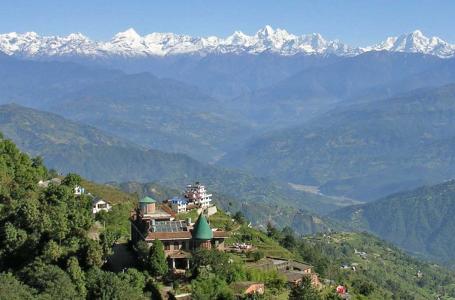
Kathmandu Nagarkot Bhaktapur Tour
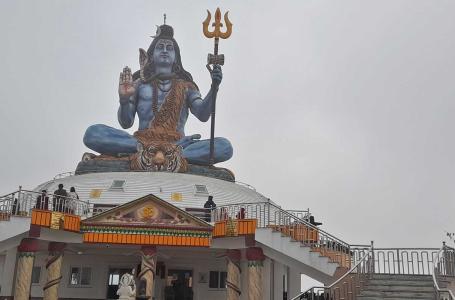
Kathmandu, Pokhara & Sarangkot
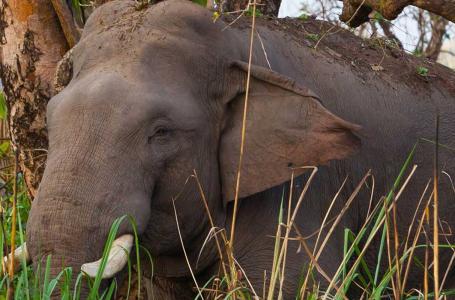
Kathmandu, Pokhara, and Chitwan Tour