
Kathmandu, Bhaktapur, and Patan
Itinerary
Our agent will meet you at your accommodation and drive you to your first stop, the Pashupatinath temple. This temple is considered to be one of the most sacred Hindu temples devoted to Lord Shiva. Explore the temple complex, see the rites, and see the cremation ghats on the Bagmati River.
Then we'll go to Boudhanath, a UNESCO World Heritage site with one of the world's biggest Buddhist stupas. This place offers a tranquil ambiance. We will then travel to Swayambhunath, commonly known as the Monkey Temple, which is located on a mountaintop. This stupa provides a wonderful panoramic perspective of the Kathmandu Valley. Kathmandu Durbar Square, another UNESCO World Heritage site, will be our final trip for the day. Discover the historical complex, which includes old palaces, temples, courtyards, and finely carved wooden architecture. The Kumari House (home of the Living Goddess), Taleju Temple, and the Hanuman Dhoka Palace Museum are among the highlights.
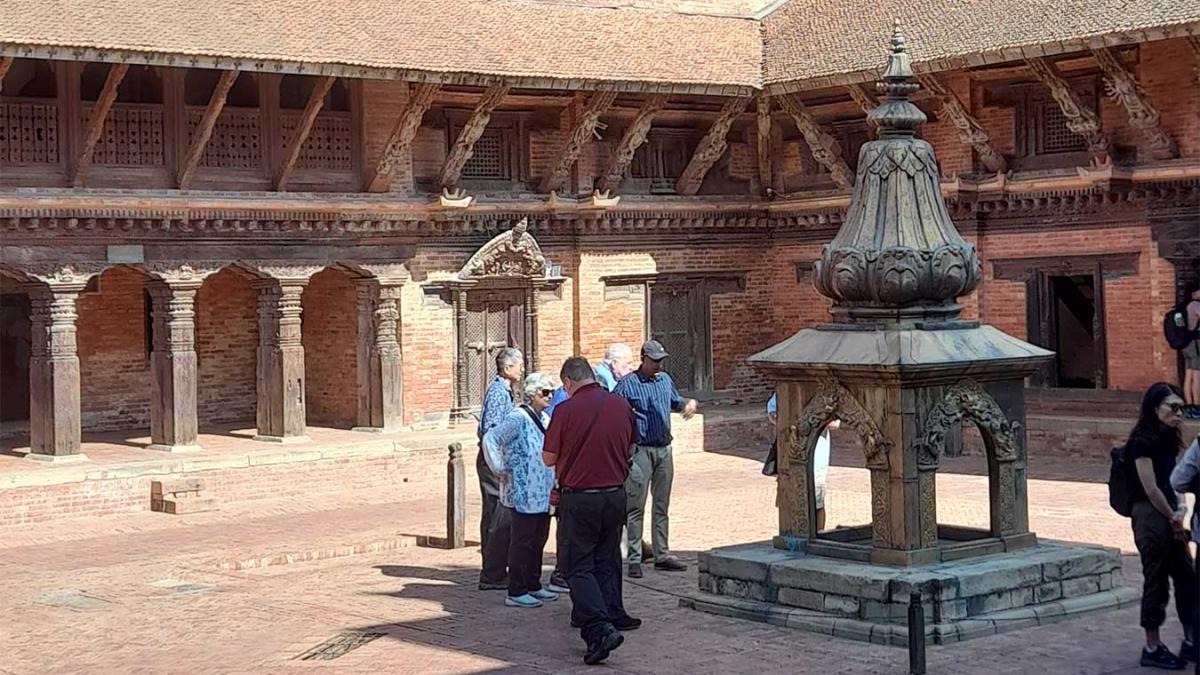
Our journey will begin with a visit to Patan Durbar Square in Lalitpur. This location is recognized for its historic royal palace complex, which has excellent Newari architecture and cultural marvels. We will see the Krishna Mandir, the Patan Museum, the Golden Temple, and countless more temples and courtyards. We then head to Bhaktapur Durbar Square, which is located in the city of Bhaktapur. The well-preserved medieval buildings and traditional Newari culture make this UNESCO World Heritage site notable.
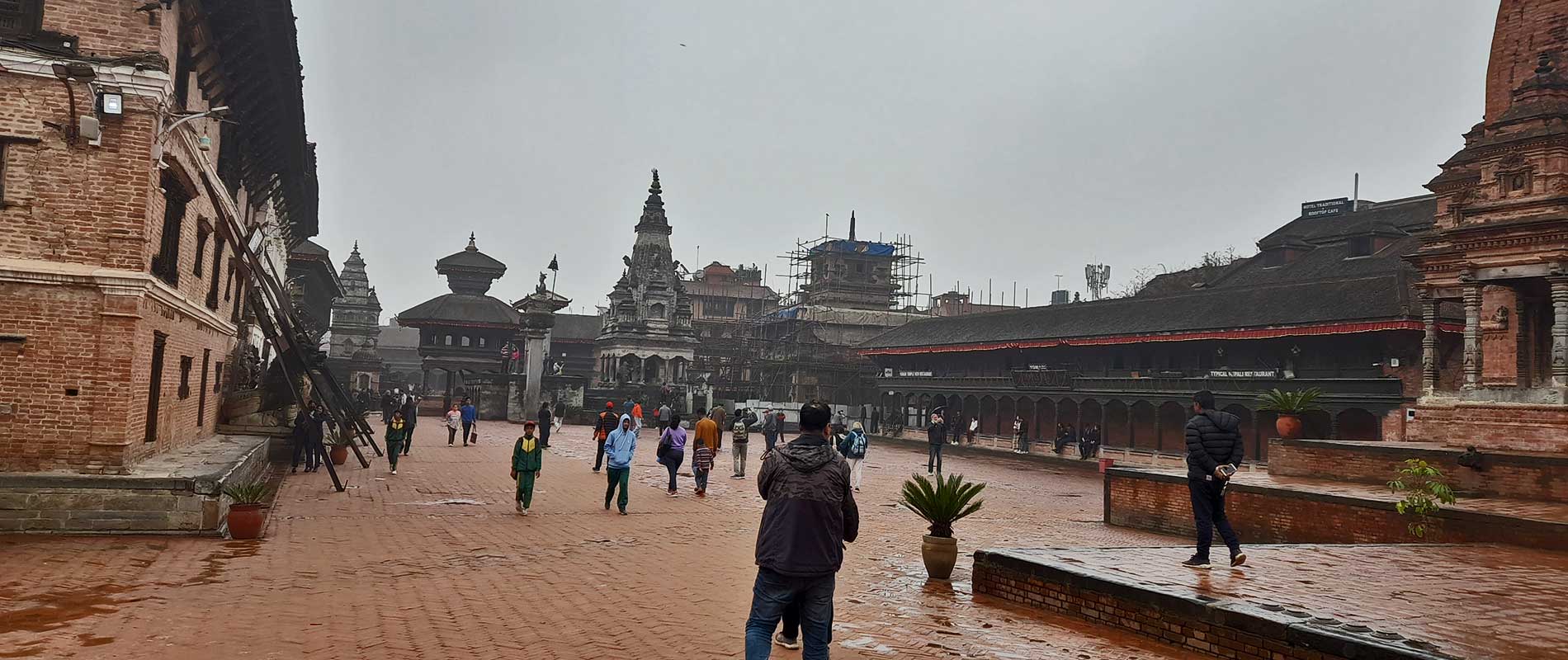
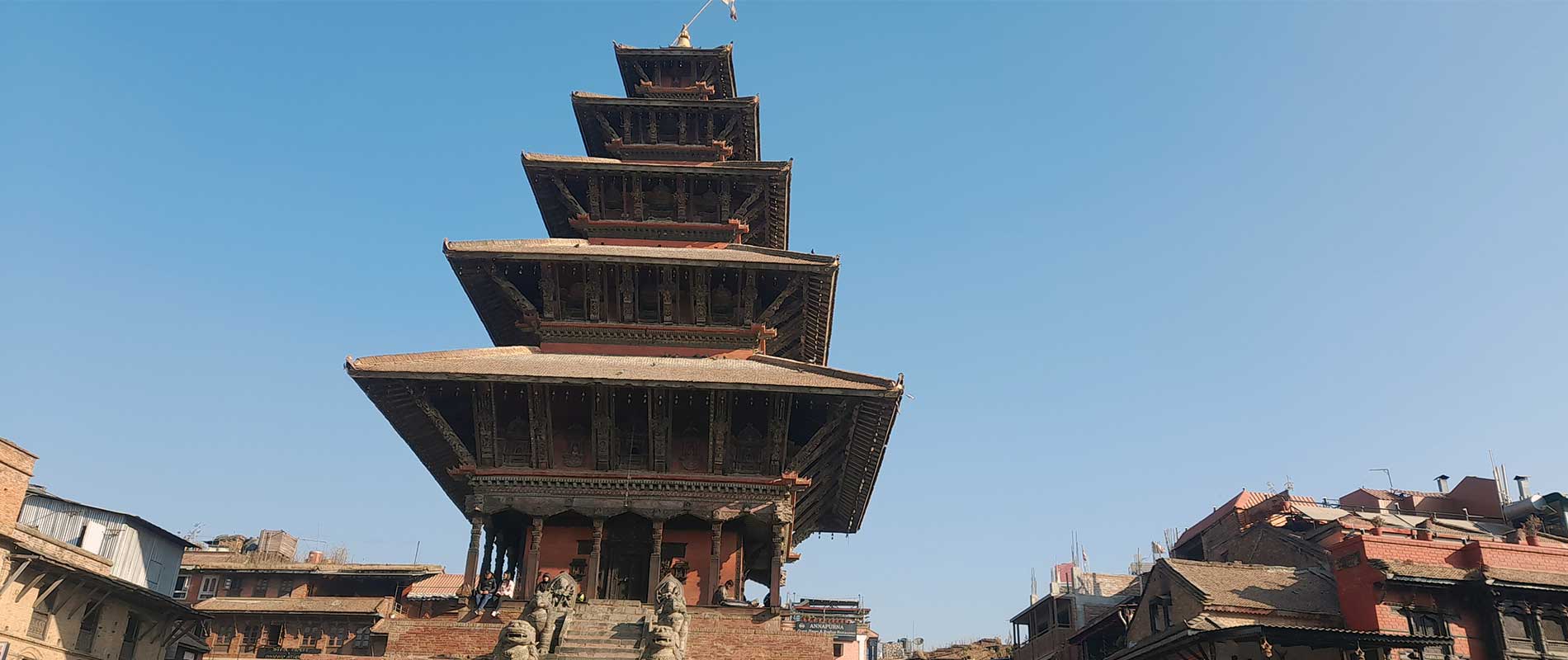
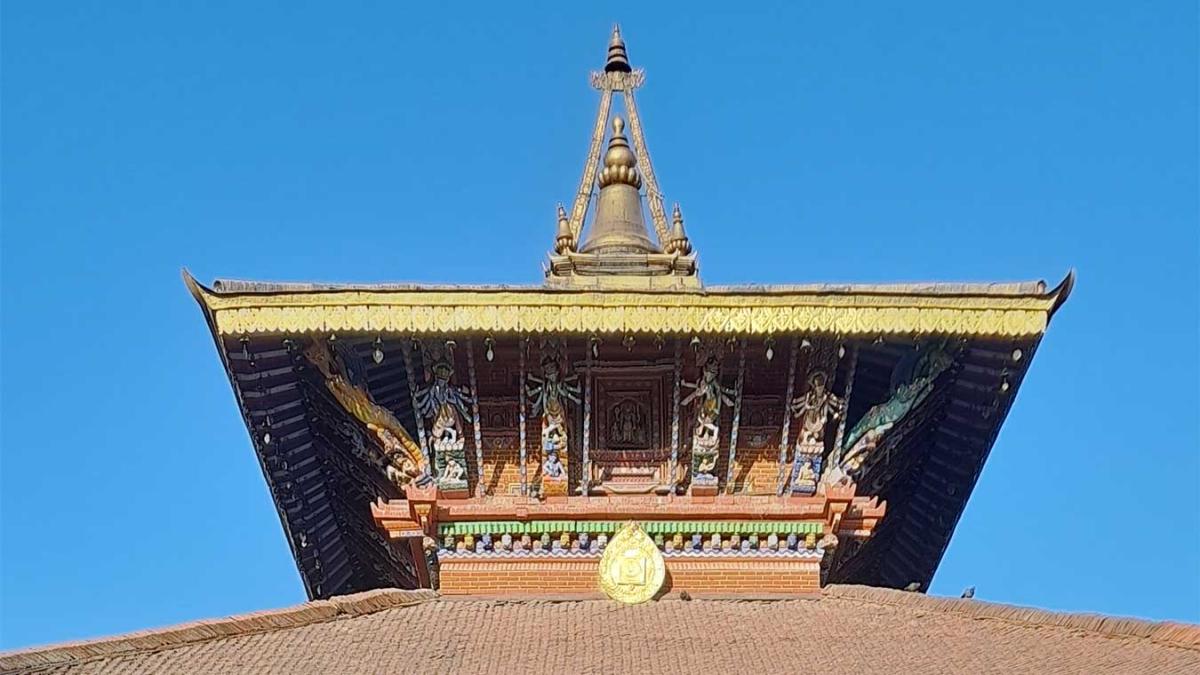
Admire the royal complex, courtyards, and the famed Nyatapola Temple, which are all exquisitely carved wooden temples. You may also participate in numerous activities in pottery square and art galleries, as well as see residents performing traditional crafts. We will go from Bhaktapur to Changu Narayan Temple, which is located on a mountaintop near the settlement of Changu. This medieval Hindu temple dedicated to Lord Vishnu is well-known for its historical and artistic value. Enjoy the sweeping views of the surrounding countryside while marveling at the beautiful stone sculptures and statues.
Overview
Discovering the Cultural Essence of Kathmandu, Bhaktapur, and Patan
A journey through the ancient cities of Kathmandu, Bhaktapur, and Patan is like stepping back in time. These three historic centers form the cultural and architectural heart of the Kathmandu Valley and are must-visit destinations for travelers seeking to immerse themselves in Nepal’s rich heritage. Together, they offer a vibrant mosaic of UNESCO World Heritage Sites, sacred temples, and timeless artistry. Whether you are drawn by the religious significance, intricate woodwork, or the unique blend of Hindu and Buddhist influences, this cultural triangle will leave you mesmerized.
Kathmandu: Where History and Spirituality Converge
Kathmandu, Nepal’s capital city, is more than just a starting point for Himalayan treks. It is a spiritual and historical hub that offers a deep dive into Nepali culture. The day begins with a visit to Swayambhunath Stupa, also known as the Monkey Temple, perched on a hilltop with sweeping panoramic views of the entire Kathmandu Valley. This sacred Buddhist site is known not only for its spiritual ambiance but also for its iconic stupa adorned with the all-seeing eyes of Buddha.
From there, travelers can journey to Pashupatinath Temple, one of the holiest shrines in the Hindu world. The temple complex, dedicated to Lord Shiva, sits along the banks of the Bagmati River and offers a powerful glimpse into Hindu rituals, including open-air cremation ceremonies. Nearby, the towering white dome of Boudhanath Stupa invites visitors into a peaceful world of prayer wheels and Tibetan chants. It is also a key stop for those interested in the Tibetan influence in Nepal and offers an ideal connection to other Tibetan cultural experiences, such as visiting a Tibetan Refugee Camp to learn about handicrafts and their spiritual heritage.
Wandering through the historic lanes of Kathmandu Durbar Square, you encounter ancient palaces, wooden temples, and courtyards that tell the story of the Malla kings and their architectural patronage. Highlights here include the Kumari Ghar, home of the Kumari - the Living Goddess, and the majestic Hanuman Dhoka Palace. These heritage sites in Kathmandu provide a strong introduction to Nepal’s past and set the tone for what lies ahead in Patan and Bhaktapur.
Patan: The Living Museum of Newari Artistry
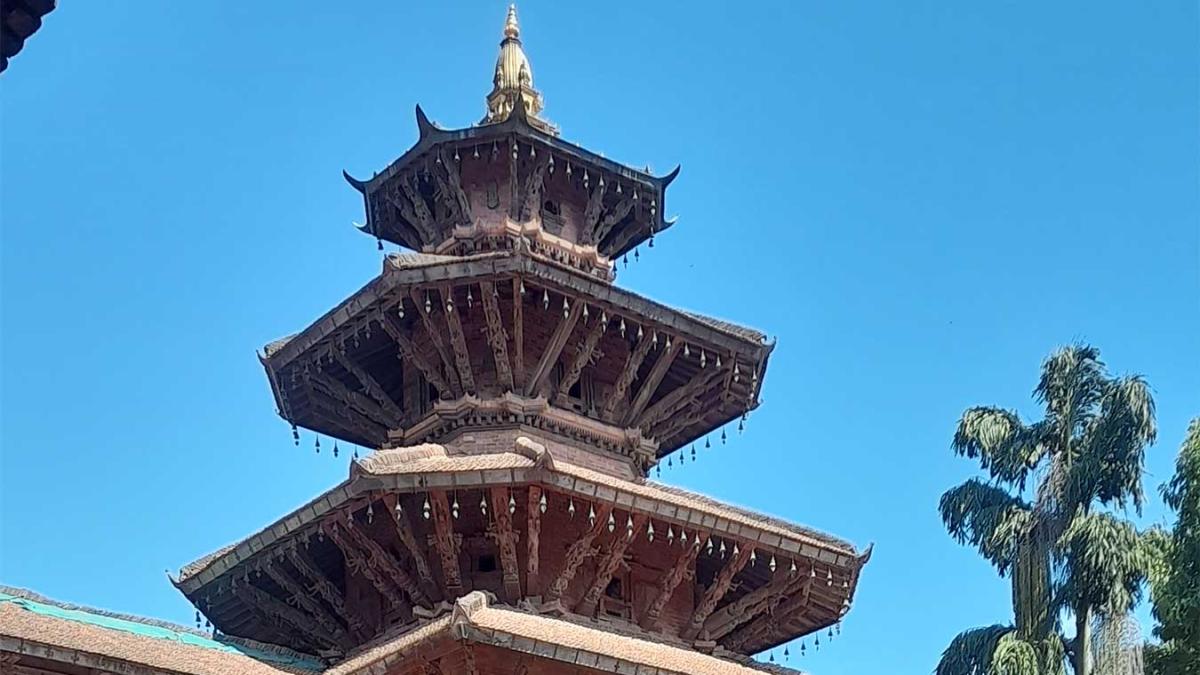
Patan, also known as Lalitpur, lies just across the Bagmati River from Kathmandu and is famous for its refined Newari architecture and artistic legacy. The city boasts one of the finest collections of temples and palaces within its famed Patan Durbar Square. Unlike the bustling streets of Kathmandu, Patan offers a quieter and more immersive atmosphere for those interested in traditional crafts and spiritual spaces.
One of the city's iconic attractions is the Golden Temple, or Kwa Bahal, a stunning Buddhist monastery covered in gold-plated copper sheets and intricate carvings. Walking through its narrow courtyards filled with prayer flags and serene monks offers a meditative contrast to the city's energetic pulse. Visitors can also explore the Patan Museum, located within the former Malla palace, where a beautifully curated selection of sculptures, bronze statues, and religious art provides insight into Nepal’s sacred traditions.
Patan is also an excellent place to witness live craftsmanship. A stroll through its hidden alleys brings you face-to-face with local artisans, including metalworkers, woodcarvers, and thanka painters. Workshops here are not just for show—they preserve centuries-old techniques that continue to define the region’s artistic excellence. For those crafting content on Nepal art tours or handicraft-based tourism, Patan offers rich internal linking opportunities.
Not to be missed is Krishna Mandir, an exquisite stone temple built entirely from carved stone and known for its 21 golden pinnacles. Its design is unique in Nepal, inspired by Indian temple architecture, and stands as a symbol of the artistic synthesis that defines Patan.
Bhaktapur: A Glimpse into Medieval Nepal
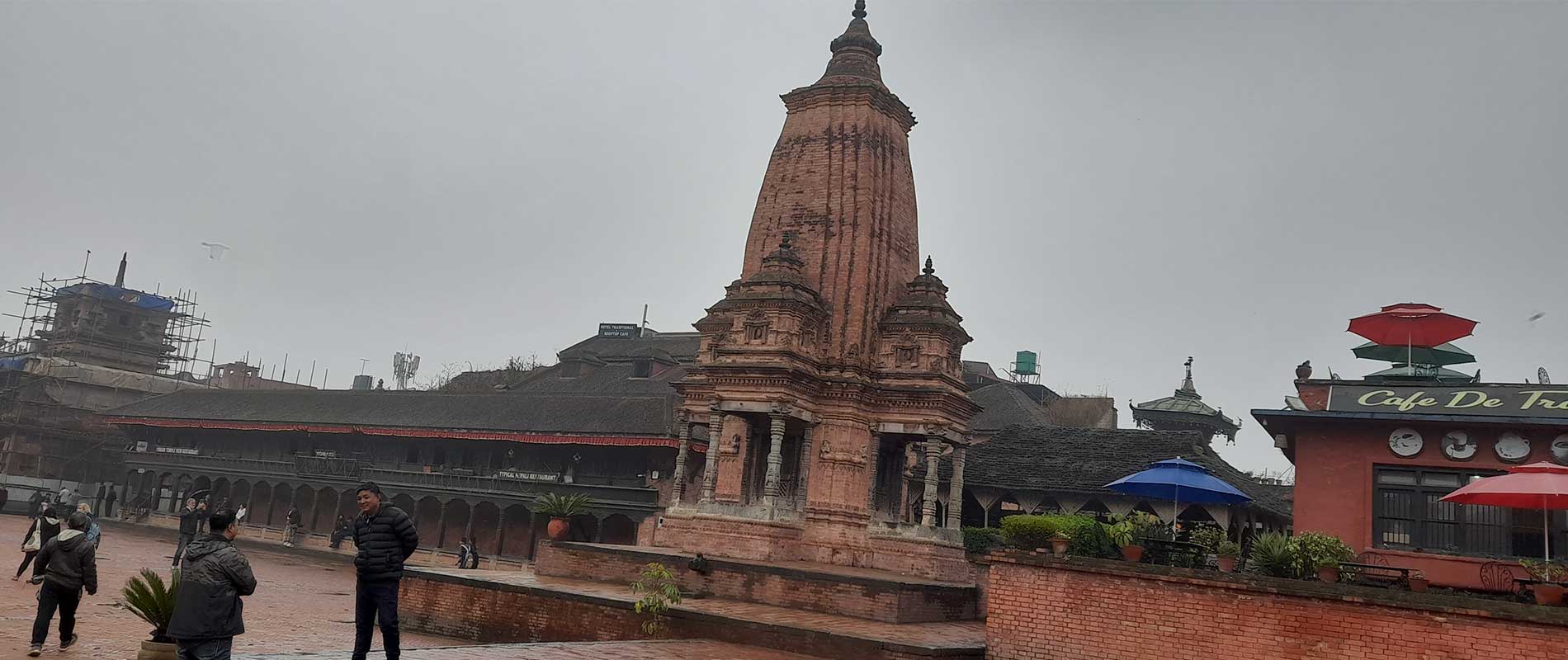
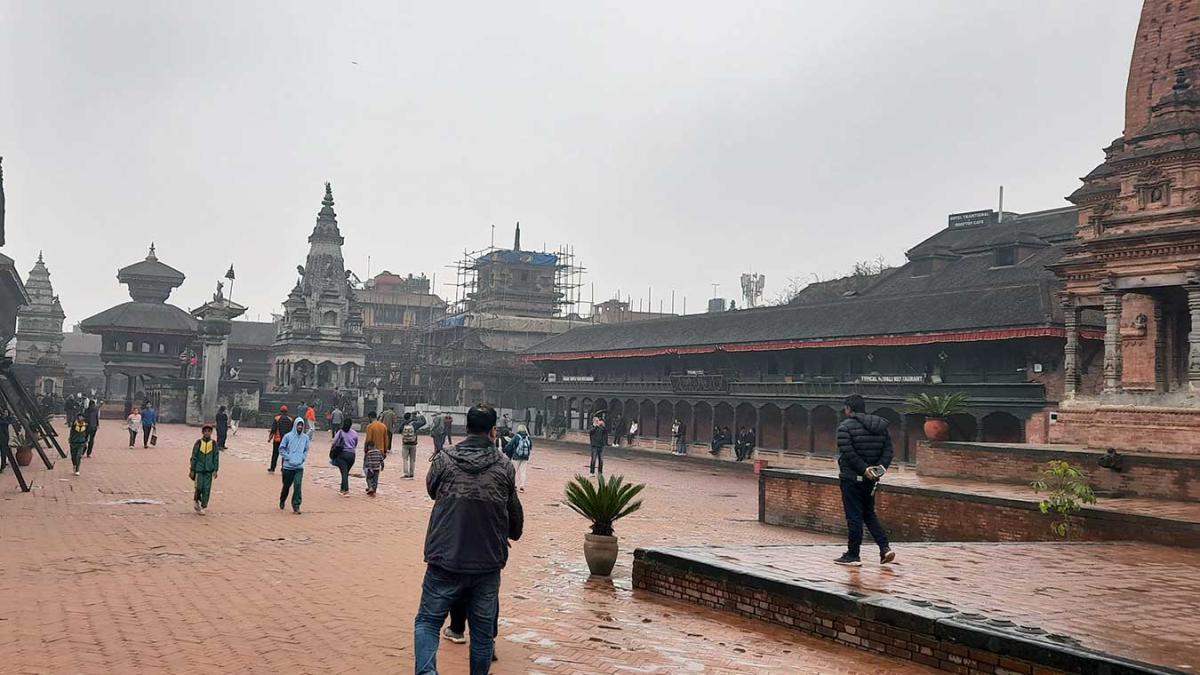
A short drive from Patan leads to Bhaktapur, the third jewel of the Kathmandu Valley. Known for its well-preserved medieval ambiance, Bhaktapur is often described as an open-air museum. Its Durbar Square is home to some of the finest examples of woodcarving and brickwork in the country. Unlike the bustling city life of Kathmandu, Bhaktapur maintains a quiet, almost timeless charm, making it a favorite for those who wish to take a slower, more immersive walk through Nepali history.
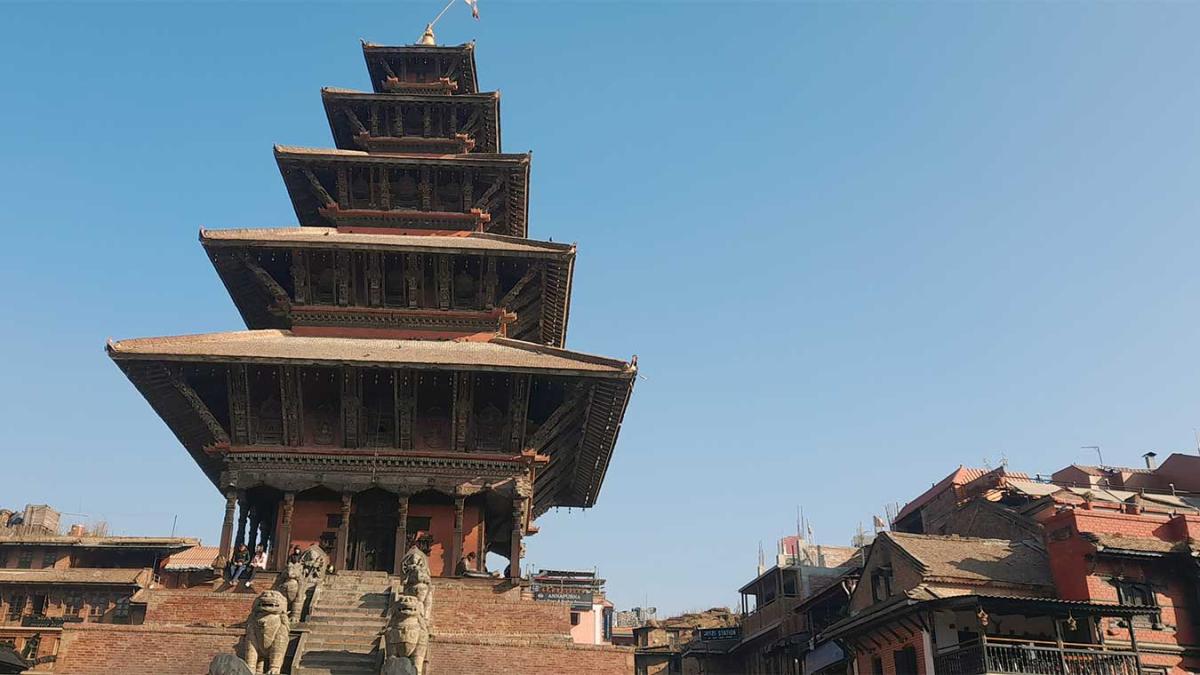
One of Bhaktapur’s most renowned landmarks is the 55-Window Palace, a striking example of traditional Newari architecture. The intricate wooden windows of the palace are a testament to the craftsmanship of the Malla era and remain a central attraction within the square. Just a short walk away stands the majestic Nyatapola Temple, the tallest pagoda-style temple in Nepal, dedicated to the goddess Siddhi Lakshmi. With its five massive terraces guarded by legendary figures, this structure combines religious devotion with architectural brilliance.
Travelers can also explore Pottery Square, where locals still use age-old methods to produce clay pots. Observing the potters at work or even trying your hand at shaping clay connects you to a tradition that has endured for centuries. These experiences add a hands-on element to the cultural exploration and are great for linking to craft village tours or Bhaktapur day trips.
Bhaktapur also excels in festivals, with events like Bisket Jatra drawing thousands of locals and tourists alike. Visiting during these times offers a deeper understanding of how heritage and community life intertwine here. The city is also known for its local cuisines like Juju Dhau (King Curd), adding a gastronomic layer to the visit.
A Cultural Triangle That Tells Nepal’s Story
Exploring Kathmandu, Patan, and Bhaktapur in sequence offers a well-rounded view of Nepal's cultural and architectural landscape. While each city has its own personality, they are deeply connected through their Newari heritage, spiritual depth, and royal histories. The blend of Hindu and Buddhist monuments, artisanship, and living traditions make this journey ideal for those seeking more than just a visual experience—it becomes a pilgrimage of understanding.
Whether you're planning a guided heritage day tour of the valley or curating content for cultural travel in Nepal, these three cities offer rich material for storytelling, photography, and authentic engagement. The combination of bustling markets, serene temples, intricate art, and historical grandeur ensures that visitors leave with not just photos, but a lasting emotional connection to Nepal’s living history.
If you’re considering extending this cultural exploration, it can be beautifully combined with a short trek in nearby regions or a homestay tour to explore rural Newari lifestyle beyond the cities.
For those looking for trekking adventure in Nepal, we offer treks and expeditions in Nepal as well. From the popular treks like Everest Base Camp, Manaslu Circuit, and Annapurna Circuit, to Mount Everest Expedition - we organize them all. So, feel free to reach out to us if you have any plans besides this short tour.
For SAARC Tourist
- Patan Durbar Square (including Patan Museum): NPR 250
- Bhaktipur Durbar Square saarc/Chinese: NPR 500.
For foreign tourists
- Patan Durbar Square (including Patan Museum): NPR 1000
- Bhaktipur Durbar Square Chinese: NPR 2000
For foreign tourists, the total cost to visit all seven heritage sites is NPR 5,900 & SAARC nationals NPR 2,150.
Highlights
- Swayambhunath Stupa (Monkey Temple) with panoramic views.
- Pashupatinath Temple is a sacred Hindu complex.
- Kathmandu Durbar Square with historical palaces and temples.
- Bhaktapur Durbar Square with medieval architecture.
- 55-Window Palace and Nyatapola Temple.
- Pottery Square to observe traditional pottery making.
- Patan Durbar Square with well-preserved Newari architecture.
- Patan Museum's art and artifacts collection.
- Golden Temple (Kwa Bahal) with intricate details.
- Visit local artisans and craft workshops.
- Krishna Mandir, a beautiful stone temple.
- Tibetan Refugee Camp to learn about Tibetan culture.
Cost Details
- Tour Guide, His food and salary
- Meal 2-Lunch
- Private Car
- Entry Fee
- All Meal
- Personal Expense
- Tips (Guide and driver)
Dates & Pricing
Trip Start and End Point
Kathmandu / Kathmandu
Equipment List
- Snow glasses
- Snow Cream
- Towels
- Toilet paper
- Umbrella (optional)
FAQs
It’s recommended to wear modest and respectful clothing when visiting temples, monasteries, and heritage sites. Shoulders and knees should be covered, especially at religious locations like Pashupatinath Temple and the Golden Temple in Patan. Comfortable walking shoes are also important, as most sites require exploration on foot.
Yes, there are entrance fees for foreign tourists at most heritage sites, including Kathmandu Durbar Square, Patan Durbar Square, and Bhaktapur Durbar Square. These fees contribute to the preservation and restoration of these historical monuments. Entry to religious sites like Boudhanath or Pashupatinath may also include a small charge for non-Hindus or non-Buddhists.
While it’s technically possible to visit Kathmandu, Patan, and Bhaktapur in one full day, it is best to split the exploration over two days for a richer experience. This allows time for cultural immersion, visiting museums, enjoying local food, and engaging with artisans without feeling rushed.
Yes, guided tours are highly recommended for these heritage areas. Knowledgeable guides provide deeper context into the history, symbolism, and cultural importance of each site, enhancing the experience. Many guides are also fluent in English, and some offer tours in additional languages.
Kathmandu and Patan are closely connected by road and can be reached in about 20–30 minutes depending on traffic. Bhaktapur lies slightly farther and usually takes 45 minutes to an hour by private vehicle. Most travelers use tourist vehicles or taxis arranged by tour operators.
Trip Gallery

Leave Your Review
Related trips you might interested in
Short Everest Base Camp Trek
Luxury Tour in Kathmandu
Kathmandu Nagarkot Bhaktapur Tour
Kathmandu, Pokhara & Sarangkot
Kathmandu, Pokhara, and Chitwan Tour