
Honey Hunting Experience in Gorkha, Larpak
Itinerary
After arriving at Tribhuvan International Airport, our representative will greet you and assist with your transfer to the hotel in Kathmandu. Relax and recover from your journey, or take some time to explore the vibrant city on your own.
Today, we set off on a scenic drive from Kathmandu to Gorkha Bazaar, which takes approximately 5 to 6 hours. Along the way, you’ll enjoy stunning views of the countryside, terraced fields, and rivers. Once we arrive at Gorkha Bazaar, you’ll settle into your accommodation and explore the historical significance of this charming town.
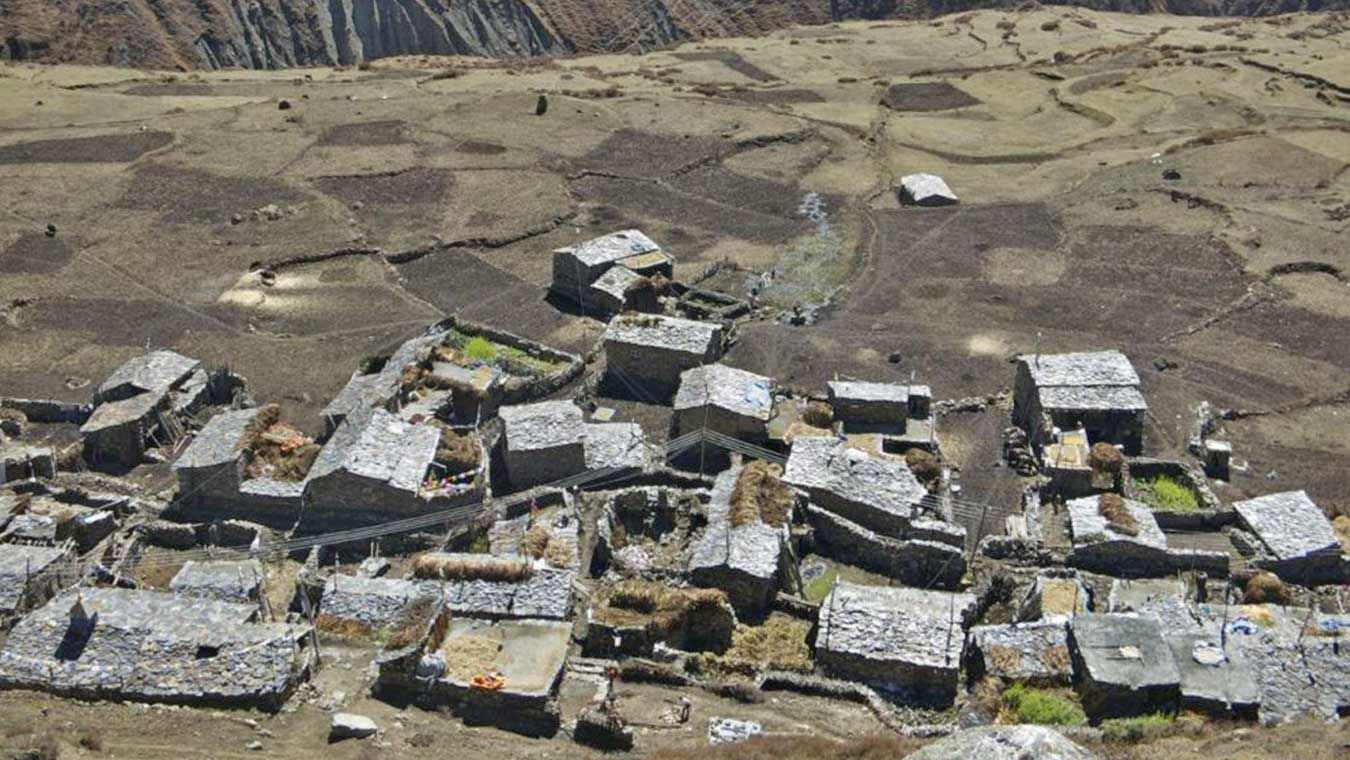
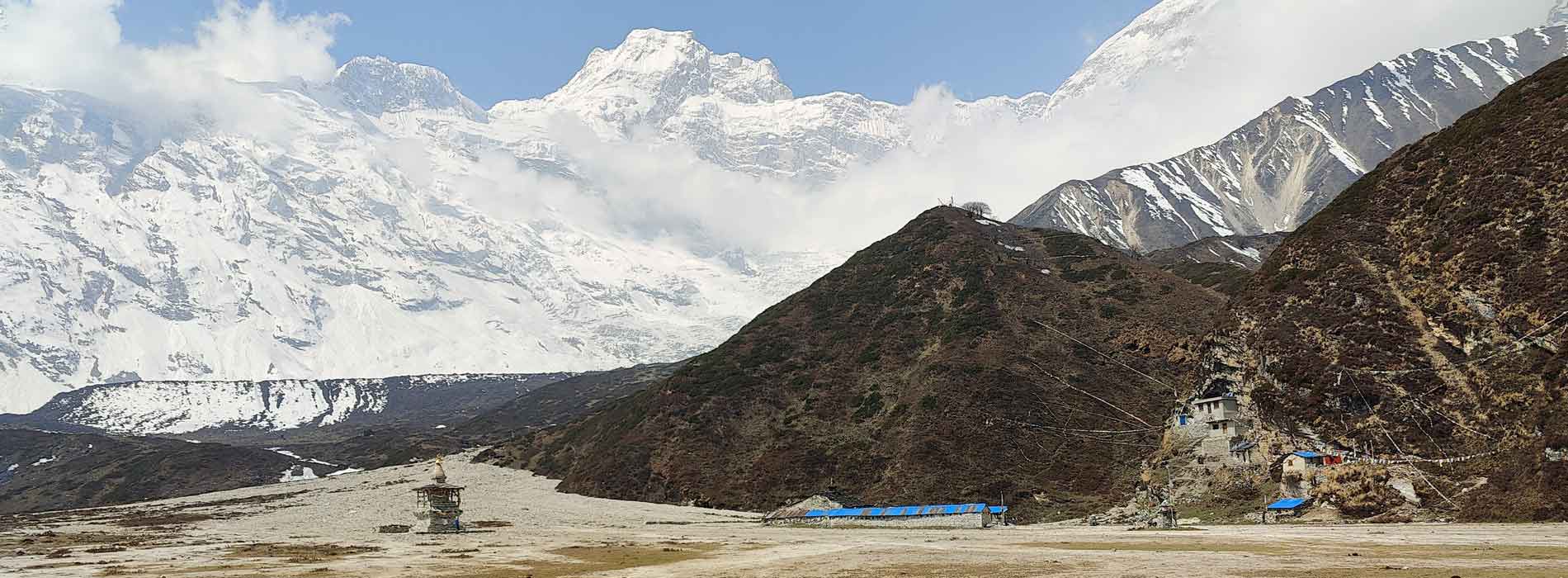
After breakfast, we begin our trek from Gorkha Bazaar to Larpak Village, a beautiful journey that takes about 4 to 5 hours. As we ascend through forests and terraced farmlands, you’ll witness breathtaking views of the surrounding mountains. Upon reaching Larpak, you’ll experience the warm hospitality of the Gurung people, who will welcome you into their village for an authentic cultural experience.
Today is the highlight of your adventure—witness the thrilling and ancient tradition of honey hunting in Larpak. Watch as local hunters climb steep cliffs using ropes and ladders to harvest wild honey from giant Himalayan bee hives. You’ll learn about the cultural significance of this practice and join the villagers in a traditional celebration after the hunt.
We begin our descent from Larpak Village back to Gorkha Bazaar, retracing our steps through the stunning natural landscape. Once we reach Gorkha, we’ll drive back to Kathmandu for some well-earned rest.
After your adventure in Gorkha, take a day to relax and enjoy the sights of Kathmandu. You’ll visit Swayambhunath Stupa (Monkey Temple), Kathmandu Durbar Square, and the sacred Pashupatinath Temple, experiencing the rich cultural and religious history of Nepal.
On your final day, we will transfer you to Tribhuvan International Airport for your departure. You’ll leave with memories of a unique and thrilling honey hunting adventure in Nepal.
Overview
Honey Hunting in Gorkha, Larpak: A Unique Adventure
Honey hunting in the hills of Gorkha, Larpak, is one of Nepal’s most extraordinary and ancient traditions. This exhilarating activity involves the harvesting of wild honey from cliffs by the indigenous Gurung community, who have been practicing this craft for centuries. Located in the remote village of Larpak, Gorkha, honey hunting provides a rare glimpse into a unique way of life that has been passed down through generations. This cultural and adventurous experience is not just about collecting honey; it’s a deeply spiritual practice that requires skill, courage, and respect for nature.
The Tradition of Honey Hunting in Nepal
Honey hunting is an age-old tradition that dates back thousands of years. The Gurung people of Larpak have honed the art of climbing steep cliffs using handmade bamboo ladders and ropes to collect honey from the world’s largest honeybee species, Apis laboriosa. The honey is prized not only for its unique flavor but also for its medicinal properties. Some types of wild honey are believed to have hallucinogenic effects, and locals use it for healing various ailments. This practice is sacred, and the honey hunters often perform rituals and prayers to the mountain deities before starting the harvest, ensuring the safety of the hunters and the bees.
Witnessing the Thrill of Honey Hunting
The adventure begins with a trek to Larpak Village, which is situated in the picturesque hills of Gorkha District. The journey takes you through dense forests, terraced fields, and traditional villages, offering stunning views of the surrounding mountains. Upon reaching Larpak, visitors are welcomed by the Gurung community, known for their warm hospitality and rich cultural heritage. The highlight of the trip is the honey hunting ceremony, where you can observe the hunters in action. The sight of these brave men scaling sheer cliffs with nothing but ropes and ladders is awe-inspiring and nerve-wracking at the same time. They carefully smoke the bees out of their hives, then collect the honeycombs, which are often dangling precariously from the cliffs.
Cultural Immersion in Larpak
While honey hunting is the main attraction, the experience goes beyond just the harvest. Visitors have the opportunity to immerse themselves in Gurung culture. Staying in local homestays, you can participate in daily village life, enjoy traditional meals, and take part in cultural celebrations. The Gurung people are known for their vibrant festivals, and during the honey-hunting season, the entire community comes together to celebrate the harvest with music, dancing, and feasting. This cultural exchange adds a deeper layer of connection to the experience, allowing visitors to gain a profound appreciation of the community’s customs and beliefs.
Best Time to Experience Honey Hunting
Honey hunting in Larpak is a seasonal activity, and the best times to witness it are during the spring (April-May) and autumn (October-November) seasons. During these months, the honeycombs are ripe for harvesting, and the weather is ideal for trekking and outdoor adventures. The moderate climate during these periods also allows for comfortable exploration of the village and surrounding areas. As this is a rare event, planning your trip during these months ensures that you won’t miss the once-in-a-lifetime opportunity to see this incredible tradition in action.
Adventure and Nature Combined
Honey hunting in Gorkha is not just a cultural experience; it’s also an adventure. The trek to Larpak takes about 4-5 hours and passes through some of Nepal’s most breathtaking landscapes. You’ll encounter dense forests filled with diverse flora and fauna, terraced farmland, and mountain streams. The journey offers stunning views of the Himalayan range, making it a perfect destination for nature lovers and trekkers. The area around Larpak is also home to a variety of wildlife, including birds and butterflies, adding an element of natural beauty to the adventure.
Ethical and Sustainable Tourism
At the heart of this honey-hunting experience is the concept of sustainable tourism. The practice of honey hunting has been carried out in harmony with nature for centuries, and today, it is preserved as a form of eco-tourism. By participating in a honey hunting tour, visitors contribute to the local economy and help protect this endangered tradition. The Gurung community ensures that honey is harvested responsibly, allowing bee populations to thrive and maintaining the delicate balance of the ecosystem. This eco-conscious approach ensures that future generations can continue to enjoy the beauty and culture of honey hunting in Nepal.
Sightseeing in Kathmandu
After your adventurous journey to Larpak, you’ll return to Kathmandu for a day of rest and sightseeing. Kathmandu is home to some of Nepal’s most iconic cultural and religious landmarks. Visitors can explore Kathmandu Durbar Square, a UNESCO World Heritage site that showcases the architectural splendor of ancient Nepalese royalty. Another must-see attraction is Swayambhunath Stupa, also known as the Monkey Temple, which offers panoramic views of the Kathmandu Valley. The Pashupatinath Temple, a sacred Hindu temple on the banks of the Bagmati River, is also worth visiting, especially during the evening Aarati ceremony.
Conclusion: Honey Hunting in Gorkha, Nepal
Honey hunting in Gorkha, Larpak, is a rare and unforgettable adventure that combines culture, nature, and tradition. This once-in-a-lifetime experience allows you to witness an ancient practice that is both thrilling and spiritual, all while immersing yourself in the rich culture of the Gurung community. Whether you’re an adventure seeker, a cultural enthusiast, or a nature lover, the honey-hunting tour in Nepal offers something truly special. Plan your trip during the best seasons (April-May or October-November) to witness the magic of honey hunting and enjoy the beauty of the Nepalese landscape.
Important Notes for Honey Hunting:
Altitude Awareness: The trek to Larpak involves ascending to higher altitudes. It's important to stay hydrated and be mindful of any signs of altitude sickness.
Respect Local Culture: When visiting Larpak and interacting with the Gurung community, be respectful of their customs and traditions. Always ask for permission before taking photos.
Weather Conditions: The weather can vary, so check forecasts before your trip. Pack accordingly, especially for rain and colder temperatures at night.
Eco-Friendly Practices: Please follow sustainable tourism practices. Dispose of waste responsibly and minimize your environmental impact during the trek.
Trekking Fitness: A moderate level of fitness is recommended for this trek. Regular walking or hiking before the trip will help prepare you for the terrain.
Safety First: Follow the guidance of local guides during the honey hunting experience, especially when navigating steep cliffs.
Highlights
- Traditional Honey Hunting: Witness the ancient and thrilling tradition of wild honey harvesting on steep cliffs by the Gurung community.
- Cultural Immersion in Larpak Village: Experience the warm hospitality, rich culture, and traditions of the Gurung people, including their unique festivals and customs.
- Scenic Trekking Routes: Enjoy breathtaking views of the Himalayan ranges, terraced fields, and dense forests during the trek.
- Wildlife and Nature Exploration: Encounter diverse flora and fauna in the lush forests surrounding Larpak.
- Historical Gorkha Bazaar: Explore the historic town of Gorkha, the birthplace of King Prithvi Narayan Shah, who unified Nepal.
Cost Details
- Airport pick-up and drop.
- Accommodation in kathmandu (Hotel chhimeki 3nights)
- Accommodations during the Honey Hunting homestays and lodges in Gorkha and Larpak.
- Meals: Daily breakfast, lunch, and dinner during the trek and in Gorkha and Larpak.
- Transportation: Private vehicle for the drive from Kathmandu to Gorkha Bazaar and barpark and return kathmandu.
- Trekking Guide: Experienced and knowledgeable guide for the entire trekking journey.
- Porter Services: Assistance with carrying personal luggage during the trek.
- Permits: Required trekking permits and entrance fees for cultural sites.
- Cultural Experience: Participation in traditional honey hunting activities and local cultural events.
- First Aid Kit: Basic first aid supplies for emergencies during the trek.
- Group Insurance: Coverage for trekking staff (guides and porters) in case of accidents or emergencies.
- International flight tickets & Visa fee to enter Nepal.
- All kinds of drinks
- Extra night accommodation and meal costs in Kathmandu due to any change in the scheduled itinerary.
- Travel insurance/ Rescue operation costs.
- All personal expenses.
- Private Transportation jeep/car and flight ticket (Jomsom to Pokhara/kathmandu)
- Tip for guides and porters
Dates & Pricing
Trip Start and End Point
Kathmandu / Kathmandu
| DATES | STATUS | PRICE | SPACE LEFT | ||||
|---|---|---|---|---|---|---|---|
|
Start date: 07-Nov, 2026
End date: 13-Nov, 2026 |
Guaranteed | USD 1560 |
2
|
Book Now | |||
Equipment List
1. Trekking Gear:
- Hiking boots: Sturdy, waterproof, and comfortable trekking boots with good ankle support.
- Trekking poles: Useful for balance on uneven terrain.
- Daypack: A comfortable, lightweight backpack for carrying daily essentials.
- Trekking pants: Lightweight, breathable, and quick-drying pants for comfort during the trek.
- Rain jacket or poncho: To protect against unexpected rain.
- Warm jacket or fleece: For cold evenings in the higher altitude.
- Hat and gloves: To keep you warm in cooler conditions.
2. Clothing:
- Moisture-wicking base layers: T-shirts or long-sleeve shirts to stay dry.
- Thermal layers: For added warmth during chilly nights.
- Socks: High-quality trekking socks to prevent blisters.
- Sunglasses: UV-protected to shield your eyes from the sun.
- Sun hat or cap: For sun protection during daytime treks.
3. Personal Gear:
- Water bottles or hydration system: Carry at least 2 liters of water.
- Water purification tablets or filter: For safe drinking water in remote areas.
- Headlamp or flashlight: Essential for evenings and early mornings.
- Sunscreen: High SPF protection for long exposure to the sun.
- Lip balm: To prevent dry or chapped lips.
4. First Aid and Health:
- First aid kit: Including band-aids, antiseptic, pain relievers, and any personal medications.
- Insect repellent: Especially for protection against mosquitoes and other bugs.
- Personal hygiene items: Travel-size soap, hand sanitizer, and tissues.
- Altitude sickness medication: Recommended in case of altitude issues.
5. Miscellaneous:
- Camera or smartphone: To capture the once-in-a-lifetime honey hunting experience.
- Power bank: For charging devices in areas with limited electricity.
- Trekking map or GPS device: To help navigate the trail if trekking independently.
- Snacks or energy bars: For quick energy during the trek.
FAQs
Honey hunting in Larpak is an ancient tradition where the Gurung community climbs steep cliffs using handmade bamboo ladders to collect wild honey from the world’s largest honeybee species, Apis laboriosa.
The best times for honey hunting are during spring (April-May) and autumn (October-November), when honeycombs are ripe for harvesting, and the weather is ideal for trekking.
The trek to Larpak is moderate in difficulty, with about 4-5 hours of walking each day. A moderate level of fitness is recommended for participants.
Yes, the Gurung community follows traditional, safe methods to harvest honey. Local guides will ensure your safety while observing the honey hunting process.
You should pack comfortable trekking shoes, warm clothing (it can get cold at night), a rain jacket, sunscreen, a water bottle, and a camera (with permission from locals for photography).
No, only experienced local honey hunters participate in the process, but you can observe and learn about the tradition.
The journey starts with a scenic drive from Kathmandu to Gorkha Bazaar and then a trek to Larpak Village, where you will stay with the local Gurung community.
You will stay in homestays, enjoy traditional meals, participate in local cultural activities, and celebrate with the Gurung community during honey hunting season.
Yes, the honey hunting tradition is practiced sustainably, with the Gurung community ensuring the bees and the environment are protected for future generations.
Yes, after the trek, you can explore Kathmandu’s cultural heritage sites like Kathmandu Durbar Square, Swayambhunath Stupa (Monkey Temple), and Pashupatinath Temple.
Altitude sickness is possible. It is important to stay hydrated, listen to your body, and acclimatize properly to higher elevations during the trek.
The trek lasts 6 days, with 3 days of trekking to and from Larpak and 1 day dedicated to the honey hunting experience.

Leave Your Review
Related trips you might interested in
Short Everest Base Camp Trek
Luxury Tour in Kathmandu
Kathmandu Nagarkot Bhaktapur Tour
Kathmandu, Pokhara & Sarangkot
Kathmandu, Pokhara, and Chitwan Tour