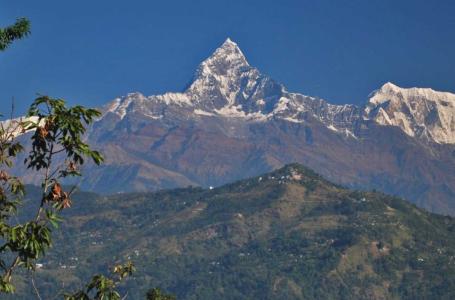

Nar Phu Valley Trek with Thorong La Pass
Itinerary
Arrive at Tribhuvan International Airport in Kathmandu, where the Trek Mania Nepal team can welcome you and arrange your transfer to the hotel. You will have time to rest after your journey. Depending on your arrival time, you can explore nearby streets or prepare for the trek.
Overnight: Hotel in Kathmandu
Begin the journey towards the Annapurna region by road. The drive passes through river valleys, hillside settlements, and mountain landscapes before reaching the Manang area and Koto. Road conditions can affect the travel time, especially during the monsoon and after heavy rainfall.
Overnight: Lodge in Koto
Enter the Nar Phu Valley and follow the trail through a narrow gorge beside the river. The path includes rocky sections, forested areas, and steep mountain slopes. As you gain altitude, the scenery becomes more open and rugged. The walk is demanding in places, so a steady pace is important.
Walking time: 7–8 hours · Overnight: Lodge in Meta
Continue deeper into the valley, passing rocky landscapes, small settlements, and traditional mountain structures. The trail gradually leads towards Phu Gaon, one of the main highlights of the journey. On arrival, take time to rest and enjoy the village surroundings. Because of the altitude, walk slowly and drink water regularly.
Walking time: 7–8 hours · Overnight: Lodge in Phu Gaon
Spend an extra day in Phu Gaon to help your body adjust to the altitude. You can explore the village, visit local religious sites where appropriate, and enjoy views of the surrounding mountains. A short acclimatization walk may be useful if you feel well, but this is not a day for strenuous exercise. Your guide will monitor how you are feeling.
Overnight: Lodge in Phu Gaon
Leave Phu Gaon and follow the trail back through the valley before continuing towards Nar. The route passes remote landscapes and small mountain settlements. The walking time depends on the selected trail and overnight arrangements, so your guide will confirm the day's route before departure.
Walking time: approximately 6–7 hours · Overnight: Lodge in Nar or Nar Phedi, as planned
Take time to rest and prepare for the crossing of Kang La Pass. Explore Nar Village at a relaxed pace and check your clothing, water, snacks, and other equipment. Your guide will review the weather forecast and trail conditions. This preparation is especially important because the next day involves a high pass and a long descent.
Overnight: Lodge in Nar
Start early for the demanding crossing of Kang La Pass. The climb takes you into a high mountain environment with wide views of the Annapurna range when the weather is clear. After reaching the pass, descend towards Ngawal on the other side. This is one of the longest and most challenging days of the trek, and safe passage depends on suitable conditions.
Walking time: approximately 7–8 hours or longer depending on conditions · Overnight: Lodge in Ngawal
Continue along the Annapurna Circuit trail towards Manang. The route offers open mountain views, traditional settlements, and opportunities to see local Buddhist architecture. After the challenging Kang La crossing, the shorter walk provides time to recover before the next section of the trek.
Walking time: 4–5 hours · Overnight: Lodge in Manang
Leave Manang and continue towards Yak Kharka or Leder. The trail climbs gradually through open mountain terrain, with views of rocky slopes and surrounding peaks. This section is important for preparing for Thorong La Pass, so maintain a comfortable pace and avoid rushing as you gain altitude.
Walking time: 3–4 hours · Overnight: Lodge in Yak Kharka or Leder
Continue towards Thorong Phedi, the usual starting point for the crossing of Thorong La Pass. Depending on the group's pace, accommodation availability, altitude response, and trail conditions, your guide may recommend staying at Thorong Phedi or proceeding to High Camp. Rest well and prepare for an early start.
Walking time: 3–4 hours · Overnight: Thorong Phedi or High Camp
Begin before sunrise for the final major pass crossing. The climb to Thorong La is physically demanding, with cold temperatures, thin air, and steep sections. After reaching the top, take time for photographs if conditions allow, then descend towards Muktinath. The descent is long, and careful footing is important, especially when snow or ice is present.
Walking time: approximately 7–8 hours or longer · Overnight: Lodge in Muktinath
After completing the high passes, continue towards Jomsom through the dry landscapes of Lower Mustang. You can visit Muktinath Temple if time and arrangements allow before travelling onward. The transfer to Jomsom may be by jeep or on foot, depending on the confirmed itinerary, road conditions, and your preference.
Walking time: approximately 5–6 hours if trekking · Overnight: Lodge in Jomsom
Take a scheduled flight from Jomsom to Pokhara, weather permitting. The short mountain flight offers views of the surrounding landscape when visibility is good. After arriving in Pokhara, check into your hotel and enjoy some time to rest after the trek. If the flight is cancelled, road transport may be required.
Flight time: approximately 20–30 minutes, subject to operations · Overnight: Hotel in Pokhara
Travel back to Kathmandu by road. The journey passes through river valleys, hills, and towns along the Prithvi Highway. Travel time depends on traffic, roadwork, and weather. On arrival, you can relax at your hotel or enjoy a final evening in the capital.
Driving time: approximately 5–6 hours or longer · Overnight: Hotel in Kathmandu
Your Nar Phu Valley Trek with Thorong La Pass comes to an end. Depending on your flight schedule, the Trek Mania Nepal team can arrange a transfer to Tribhuvan International Airport. We hope you return home with good memories of Nepal's mountains, villages, and trekking experience.
Meal and transfer arrangements: As confirmed in your package
Overview
The Nar Phu Valley Trek with Thorong La Pass is a special trekking journey in the Annapurna region of Nepal. It takes you away from the busy trekking trails and into the remote mountain villages of Nar and Phu, where traditional Tibetan-influenced culture, old monasteries, stone houses, and dramatic Himalayan landscapes remain an important part of daily life.
Organised by Trek Mania Nepal, this 16-day itinerary combines the hidden valleys of Nar and Phu with two high mountain passes: Kang La Pass (5,322 m) and Thorong La Pass (5,416 m). After exploring Phu Gaon and Nar Village, you cross Kang La to reach Ngawal and Manang, then continue along the Annapurna Circuit route towards Thorong La and the sacred pilgrimage destination of Muktinath.
This is a challenging trek for people who enjoy long walking days, high mountain scenery, and a more remote trekking experience. It also offers an opportunity to learn about local village life and experience the natural and cultural diversity of the Annapurna region.
With proper preparation, a suitable itinerary, and guidance from an experienced local trekking team, the Nar Phu Valley Trek with Thorong La Pass can be a rewarding Himalayan adventure.
Why Choose the Nar Phu Valley Trek with Thorong La Pass?
Discover the hidden Nar and Phu valleys
Nar and Phu are among the most interesting remote villages in the Annapurna region. Located away from the main Annapurna Circuit trail, these valleys offer a different atmosphere from the busier trekking areas.
The journey to Phu Gaon takes you through deep river gorges, rocky slopes, and high mountain landscapes. As you approach the village, you will see traditional stone buildings, narrow paths, and a way of life shaped by the mountain environment.
Nar Village offers another cultural experience, with traditional homes, local monasteries, and views of the surrounding mountains. These villages are ideal places to slow down, learn about local customs, and appreciate the quieter side of trekking in Nepal.
Cross two famous Annapurna high passes
One of the main reasons to choose this itinerary is the opportunity to cross both Kang La Pass and Thorong La Pass in one journey.
Kang La Pass connects the Nar Valley with the Ngawal side of the Annapurna region. The crossing involves a long climb, high-altitude walking, and a demanding descent. On a clear day, the surrounding mountain views make this a memorable part of the trek.
After reaching Manang, you continue towards Yak Kharka and Thorong Phedi. The final high-pass crossing takes you over Thorong La Pass before descending to Muktinath.
Both crossings depend on weather, snow conditions, and the physical condition of the group. They require careful planning and should never be treated as guaranteed regardless of conditions.
Experience Tibetan-influenced mountain culture
The people of Nar and Phu have cultural traditions influenced by the Tibetan Plateau. Buddhism, monasteries, prayer flags, stone walls, and traditional architecture are important features of village life.
Travelling through these settlements gives you the chance to see how people have adapted to a remote mountain environment. The experience is not only about reaching high passes but also about understanding the communities that call these valleys home.
Enjoy the wider Annapurna region
After crossing Kang La, the route joins the Annapurna Circuit area near Ngawal. From there, you continue through Manang and towards Thorong La Pass.
The landscapes change along the way, from steep valleys and rugged cliffs to open mountain slopes and the dry terrain around Muktinath. This variety makes the combined Nar Phu Valley and Thorong La Pass trek a particularly interesting choice for experienced trekkers.
What Makes Nar Phu Valley Different from Other Annapurna Treks?
Many trekkers visit the Annapurna region for its mountain views, established tea houses, and famous routes. Nar Phu offers a different experience because the villages lie away from the main trekking circuit and have a more remote feel.
The route from Koto enters a narrow valley where cliffs, rocky paths, and river crossings shape the journey. As you move higher, the landscape becomes drier and more open. Phu Gaon and Nar Village provide a closer look at traditional mountain settlements, while the trails towards Kang La offer a challenging high-altitude experience.
After crossing Kang La, the trek joins the Annapurna Circuit. This means you can experience both the quieter Nar Phu valleys and the well-known route through Manang and over Thorong La Pass on the same trip.
The combination is ideal for trekkers who have enough time and want more than a standard Annapurna Circuit itinerary.
Difficulty of the Nar Phu Valley Trek with Thorong La Pass
The Nar Phu Valley Trek with Thorong La Pass is a challenging high-altitude trek. It is best suited to people with good fitness, previous trekking experience, and the ability to walk for several hours on consecutive days.
The main challenges include:
High altitude: Kang La Pass reaches 5,322 m and Thorong La Pass reaches 5,416 m. Breathing becomes harder at these elevations, and altitude sickness is a real concern.
Long trekking days: The two pass-crossing days can be demanding and may take longer than the estimated walking times.
Steep and exposed trails: Some sections have loose rocks, narrow paths, and steep descents.
Changing weather: Snow, strong wind, cold temperatures, and poor visibility can make the passes unsafe.
Remote facilities: Accommodation and access to medical support are more limited in Nar and Phu than on the main Annapurna Circuit.
Limited communication: Mobile coverage and internet access may be unreliable in remote sections.
You do not need to be a mountaineer, but you should be comfortable with long uphill walks and high-altitude trekking. Training with regular hikes, stair climbing, and endurance exercise before arriving in Nepal can help.
No level of fitness removes the risk of altitude sickness. If you develop a headache with nausea, unusual tiredness, dizziness, or other symptoms, inform your guide immediately. Severe or worsening symptoms require prompt descent and medical assessment.
Best Time for the Nar Phu Valley Trek with Thorong La Pass
The best general trekking seasons are spring and autumn. However, because this itinerary crosses two high passes, the actual snow and weather conditions are more important than the calendar alone.
Spring: March to May
Spring brings gradually warmer weather, longer daylight hours, and good opportunities for mountain views. April and May are often attractive months for trekking, although snow can remain on Kang La, especially earlier in the season.
Before booking an early spring departure, check whether the route through Nar and Kang La is safe and passable.
Autumn: September to November
Autumn is a popular time for trekking in the Annapurna region. After the monsoon, the skies often become clearer, and October is usually a good month for mountain views.
September can still bring rain and road disruption, while November becomes colder, especially at higher elevations. Fresh snow can also affect the passes later in the season.
Winter: December to February
Winter brings very cold nights and a greater chance of heavy snow. Kang La and Thorong La may become difficult or impossible to cross, and some remote lodges may close or reduce their services.
This season is generally unsuitable for a standard fixed itinerary unless an experienced local team confirms that the complete route is safe.
Monsoon: June to August
The upper valleys may receive less rain than some other parts of Nepal, but the journey to the trailhead can be affected by landslides, road damage, and heavy rain. Wet trails and poor visibility can also increase the risk of trekking.
For a trip that includes both Kang La and Thorong La, spring and autumn are the better starting points for planning, subject to current local conditions.
Important current update — October 2026: Recent reports from the Annapurna region have described heavy snow and changing access conditions, with the Nar Phu route towards Kang La reported as difficult and not recommended for normal trekking at the time of those reports. This does not establish the route's status for every future date. Trek Mania Nepal should reconfirm the latest conditions with local guides and relevant authorities before confirming a departure.
Nar Phu Valley Trek Permits and Regulations
Nar and Phu are in a restricted trekking area of Manang district. Foreign trekkers need a special restricted-area permit, in addition to the applicable conservation-area entry permit. The restricted-area permit is handled through Nepal's Department of Immigration under the current permit rules.
Which permits are required?
Nar Phu Restricted Area Permit (RAP): Required to enter the restricted valleys.
Annapurna Conservation Area Permit (ACAP): Required for the relevant conservation-area sections of the route.
Other trekking documentation: Your agency should confirm whether a TIMS card or any additional documentation applies under the rules in force for your departure.
Nar Phu restricted-area permit fee
According to the Nepal Tourism Board's published fee table, the Nar Phu restricted-area permit rates are:
Season
Permit fee
September–November
USD 100 per person for the first week
December–August
USD 75 per person for the first week
Beyond the first week
USD 15 per person per additional day
These are the published rates for the Narpa and relevant restricted areas of Manang. Permit rules and fees can change, so the applicable rate and calculation should be reconfirmed when booking.
Under the Department of Immigration's revised policy announced in March 2026, individual foreign travellers may obtain restricted-area permits when accompanied by a licensed guide and booked through a registered trekking agency. The agency remains responsible for the required arrangements under the applicable rules.
Trek Mania Nepal can help organise the necessary permits and trekking documentation as part of the confirmed package.
Accommodation and Food on the Trek
Accommodation
During the trek, accommodation is generally in local tea houses or mountain lodges. These provide a simple place to sleep, meals, and a chance to meet other trekkers.
Facilities are more basic in Nar and Phu than in larger villages such as Manang. Rooms may be shared or have limited amenities, and hot showers, electricity, and internet access are not always available.
At Thorong Phedi and High Camp, accommodation is also basic, particularly during busy trekking periods. Booking ahead is helpful when possible, but availability can still change with the weather and local conditions.
Food and drinking water
Most lodges serve familiar trekking meals such as dal bhat, rice, vegetable curry, noodles, soup, potatoes, eggs, porridge, and Tibetan-style bread. The menu becomes more limited in remote settlements.
We recommend carrying water purification tablets, a suitable filter, or another reliable water-treatment method. Drink enough water throughout the day, and avoid relying on untreated water from streams.
It is also useful to carry energy snacks for the two high-pass days, when the walking is longer and food stops may be limited.
Safety and Acclimatization on the Nar Phu and Thorong La Trek
Safety should be a priority throughout this journey. The combination of remote villages, two high passes, and limited medical facilities means the route needs careful preparation.
The itinerary includes acclimatization time in Phu Gaon and Nar. These stops are useful, but they do not guarantee protection against altitude sickness. Your response to altitude should guide the pace and the decision to continue.
Nar Phu Valley Trek Cost
The cost of the Nar Phu Valley Trek with Thorong La Pass depends on the number of trekkers, travel season, transport arrangements, accommodation, guide and porter services, permits, and package inclusions.
Because this is a restricted-area trek, permit arrangements and professional guiding are important parts of the total cost. The longer combined itinerary also requires more days of food, accommodation, transport, and staff support than a shorter Nar Phu Valley trek.
For an accurate quotation, Trek Mania Nepal should calculate the package based on the confirmed departure date and group size.
Nar Phu Valley Trek Package: What to Expect with Trek Mania Nepal
Trek Mania Nepal is a Nepal-based trekking and tour operator offering travel arrangements for visitors who want to explore the Himalayas with local support.
For this route, good preparation begins before the trek. The team should help with the permit process, review the itinerary, explain the expected walking hours, check the availability of accommodation, and advise you about the equipment needed for the high passes.
During the trek, a local guide can provide information about the villages, local customs, mountain landscapes, and changing trail conditions. The guide also helps the group make informed decisions about pace, rest, and whether conditions are suitable for continuing.
Because Nar Phu is remote and weather can change quickly, flexibility is important. The itinerary should be treated as a planned route rather than a promise that every pass will be crossed regardless of conditions.
For the most accurate details about price, inclusions, group departures, and current trail access, contact Trek Mania Nepal before confirming your booking.
Book the Nar Phu Valley Trek with Thorong La Pass
If you are looking for a remote trekking adventure that combines traditional Himalayan villages, challenging mountain passes, and the well-known Annapurna Circuit, the Nar Phu Valley Trek with Thorong La Pass is worth considering.
From the stone houses of Phu Gaon and Nar to the high trails of Kang La and Thorong La, the journey offers a different way to experience the Annapurna region. It requires good preparation and a flexible approach, but it can reward you with memorable landscapes and a closer look at mountain life in Nepal.
Contact Trek Mania Nepal to discuss your preferred travel dates, trekking experience, group size, and package requirements. Our team can help you plan the route and confirm the latest permit and trail conditions before your departure.
Highlights
Explore the remote and culturally rich villages of Phu Gaon and Nar.
Experience traditional stone houses, Buddhist monasteries, prayer flags, and local mountain life.
Walk through the narrow gorge and dramatic landscapes of the Nar Phu Valley.
Cross Kang La Pass at 5,322 metres for impressive views of the Annapurna range.
Visit Manang and enjoy the high mountain scenery of the Annapurna region.
Cross Thorong La Pass at 5,416 metres, one of the major high passes on the Annapurna Circuit.
Visit Muktinath, an important pilgrimage site for both Hindu and Buddhist visitors.
Enjoy the changing landscapes from rugged mountain valleys to the drier Mustang region.
Experience a less-travelled route before joining the more established Annapurna Circuit trail.
Equipment List
Broken-in trekking boots with good grip.
Warm base layers, fleece, and an insulated down jacket.
Waterproof jacket and trousers.
Warm gloves, hat, neck covering, and several pairs of trekking socks.
Sunglasses with suitable UV protection and high-SPF sunscreen.
A comfortable daypack and a suitable sleeping bag for cold conditions.
Headlamp with spare batteries.
Reusable water bottles and water purification equipment.
Personal medication, basic first-aid supplies, and blister care.
Trekking poles for steep climbs and descents.
Energy snacks and a power bank.
Bring clothing that can be layered as the temperature changes throughout the day. Your guide can help you check your equipment before leaving Kathmandu.
FAQs
The itinerary presented here takes 16 days, including arrival and departure in Kathmandu, the drive to Koto, both high-pass crossings, and the return through Jomsom and Pokhara. Additional days may be useful if you want more flexibility for weather or transport delays.
It is a challenging trek due to the altitude, long walking days, remote trails, and steep sections around Kang La and Thorong La. Previous trekking experience and good physical fitness are strongly recommended.
The highest point on this itinerary is Thorong La Pass at 5,416 metres (17,769 feet). Kang La Pass, at 5,322 metres (17,460 feet), is the other major high point.
Yes, foreign trekkers should plan this restricted-area route through a registered trekking agency with a licensed guide under the applicable permit rules. The agency can also help arrange the required permits and documentation.
This route is not the best choice for most first-time trekkers. The altitude and two high passes make it physically demanding. Beginners who are fit and well prepared should discuss their experience honestly with the trekking agency before booking.
No. Snow, heavy rain, landslides, and other conditions can make parts of the route unsafe or inaccessible. Kang La is particularly sensitive to snow and weather. Always confirm the current status before departure.
Yes. This itinerary connects the Nar Phu valleys with the Annapurna Circuit near Ngawal, then continues through Manang and over Thorong La Pass to Muktinath. This combination is one of the main attractions of the route.
Mobile coverage and Wi-Fi can be limited or unreliable in the remote valleys. Trekkers should prepare for periods without a reliable connection and inform family or friends about the planned itinerary before leaving Kathmandu.
No. Jomsom flights depend on weather, visibility, and airline operations. Delays and cancellations are possible, so it is wise to keep some flexibility in your travel plans and confirm alternative transport arrangements with your agency.
Your guide and trekking agency should assess the conditions and discuss the available options. Depending on the circumstances, this may mean waiting for better conditions, changing the itinerary, or returning by a safer route. Safety must come before completing the planned crossing.

Leave Your Review
Related trips you might interested in
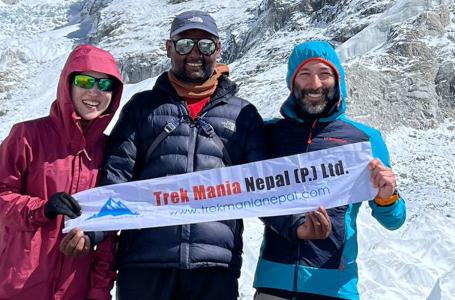
Short Everest Base Camp Trek
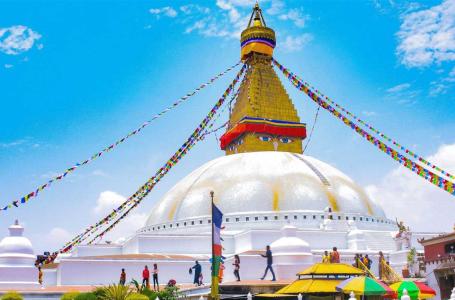
Luxury Tour in Kathmandu
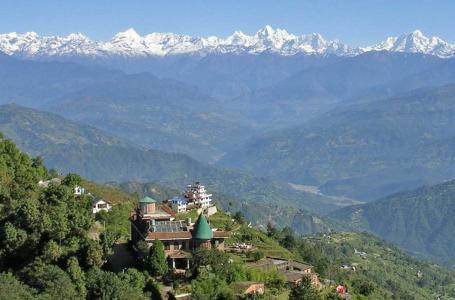
Kathmandu Nagarkot Bhaktapur Tour
Kathmandu, Pokhara & Sarangkot
Kathmandu, Pokhara, and Chitwan Tour